Best Crypto Card 2026: Top Picks for Spending Digital Assets
Discover the best crypto cards in 2026 to spend your digital assets worldwide. Compare fees, cashback rewards, limits, and features to choose the perfect option.


Key Takeaways
- Crypto cards convert your digital assets to fiat at the point of sale, working anywhere Visa or Mastercard is accepted
- Stablecoin-focused cards (Brighty, COCA, OKX) minimise the "taxable event" friction that comes with spending volatile assets
- Headline cashback rates are often conditional: Crypto.com's top rate requires a large CRO stake, and COCA's highest rate applies only within a monthly allowance
- Cards paying rewards in native tokens (CRO, WXT) carry price volatility; cards paying in stablecoins or fiat don't
- Brighty stands out for letting you spend from balances that are already earning up to 10% APY, with no native token to manage
- New EU rules (DAC8) require automatic reporting of crypto transactions from 2026, making stablecoin-first cards more attractive
In This Article
- How to choose a crypto card
- Best crypto cards for 2026 (COCA, Crypto.com, OKX, Brighty, Coinbase, Nexo, Wirex)
- Side-by-side comparison
- Our verdict
- FAQ
Remember the early days of crypto, when spending your Bitcoin meant hoping a random online merchant accepted it directly, or worse, fiddling with complicated peer-to-peer exchanges? Those days are ancient history. In 2026, the humble crypto card has evolved into a sophisticated financial tool that sits comfortably alongside the debit and credit cards in your Apple Wallet. The challenge today is choosing the best crypto card from a crowded field of contenders, each with its own rewards structure, fee model, and regulatory compliance.
The biggest pain for most crypto users in 2026 is the "taxable event" anxiety. Every time you spend crypto, you're potentially triggering a capital gain or loss that needs reporting. But the best crypto cards now solve this by prioritizing stablecoin spending, letting you use USDC, USDT, or euro-backed tokens like EURC with minimal tax friction. Whether you're after maximum cashback, seamless wallet integration, or the ability to spend without selling your long-term holdings, the market has an option tailored to your habits.
How to Choose a Crypto Card
Before comparing individual cards, it helps to know which factors actually affect your day-to-day experience. The headline cashback number is rarely the whole story.
Rewards currency. Cashback paid in stablecoins or fiat holds its value. Cashback paid in a native token (CRO, WXT) can rise or fall with that token's price — so an "8% cashback" rate in a volatile token isn't directly comparable to 8% in USDC.
Conditions on the headline rate. Many top rates come with strings attached: staking requirements, monthly caps, or token holdings. Always check what you actually need to do to earn the advertised rate, and what the rate drops to once a cap is reached.
Fees. Look at FX fees (charged on foreign-currency spending), conversion spreads (charged when crypto is converted to fiat), monthly or annual fees, and ATM withdrawal limits. A card with high cashback but a 2% FX fee may cost more than a lower-cashback card with 0% FX.
Custody. Custodial cards (Crypto.com, Coinbase, Nexo) hold your assets for you. Non-custodial cards (COCA, OKX) let you spend from a wallet you control. Each has trade-offs between convenience and control. Regulation and availability. Check if the card is available in your country and regulated in your region. Under MiCA in the EU, regulated providers offer stronger consumer protections.
Your primary use case. Match the card to how you'll actually use it: maximising rewards, spending without selling, self-custody, or bridging crypto and fiat for everyday banking.
Best Crypto Cards for 2026
COCA Card
A strong choice for stablecoin users. It offers up to 8% cashback paid directly in stablecoins (USDT, USDC, or EURC), avoiding the volatility of native tokens. Note that the highest rate applies within a monthly spending allowance and drops to 1% beyond it, and the top tiers require holding $COCA tokens. The card pairs with a non-custodial wallet, has zero FX fees, and provides 50% cashback on select subscriptions like Netflix and Spotify (capped per service). Best for users who want predictable, stablecoin-denominated rewards.
Crypto.com Visa Card
Still a major name in tiered rewards. Users stake CRO (or subscribe to the Level Up program) to unlock cashback rates that scale by tier, up to 5% at the highest level. The base tier offers 0–1%, and meaningful rewards require substantial CRO commitments — the top 5% tier requires a CRO stake worth around $400,000, locked for 180 days. Perks at higher tiers include Spotify and Netflix rebates, airport lounge access, and higher ATM limits. Cashback is paid in CRO, which carries price volatility. Best for committed CRO holders and lifestyle perk seekers.
OKX Card
A notable option for European users under MiCA. This Mastercard lets you spend stablecoins directly from self-custody wallets, with assets converted at the point of sale. It works with Apple Pay and Google Pay at a wide network of merchants. The card has offered elevated promotional cashback rates in the past, though standard ongoing rewards are more modest and may be capped for non-VIP users — check current terms before signing up. Best for users prioritising self-custody and regulatory compliance.
Brighty Card
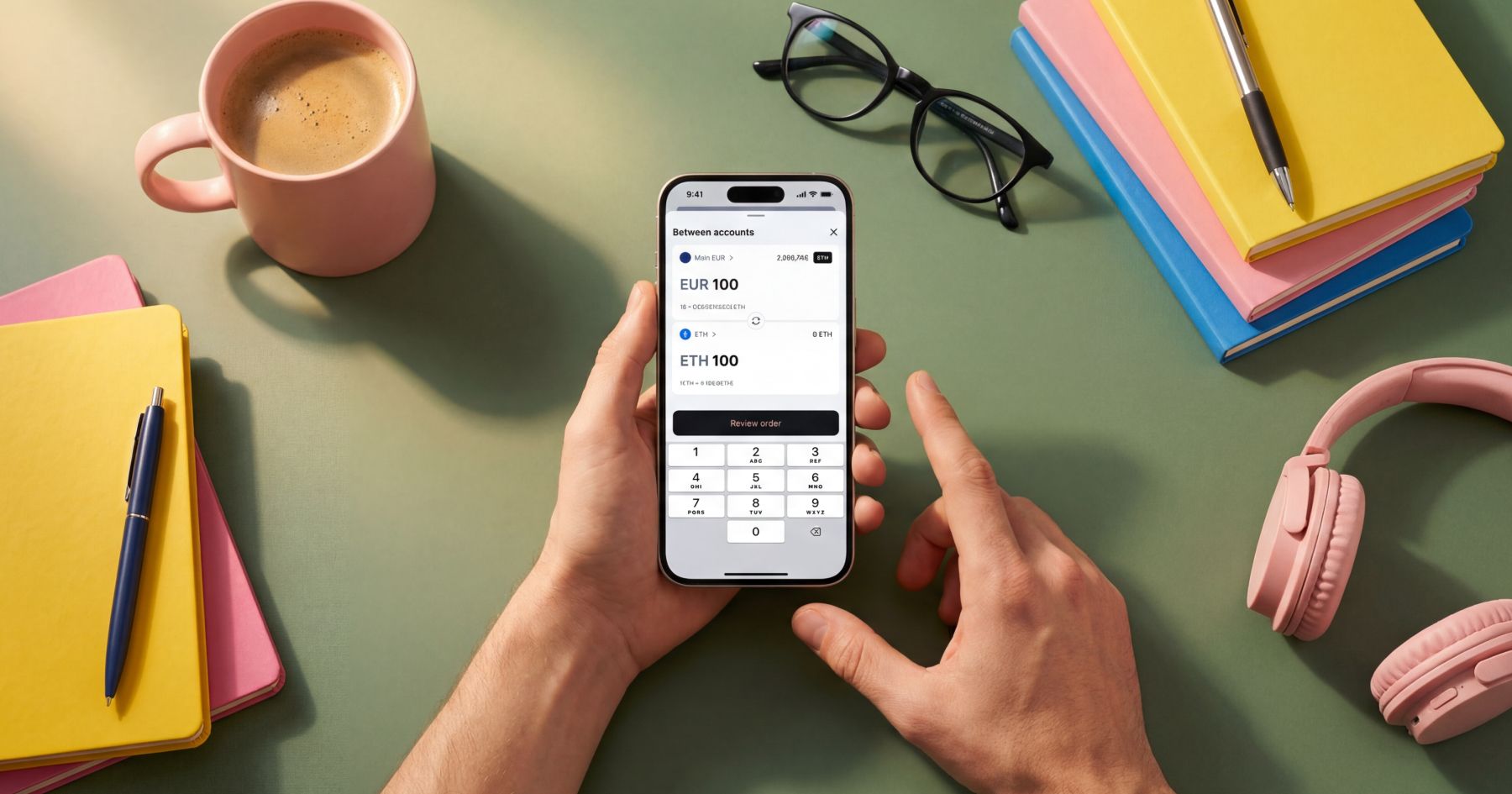
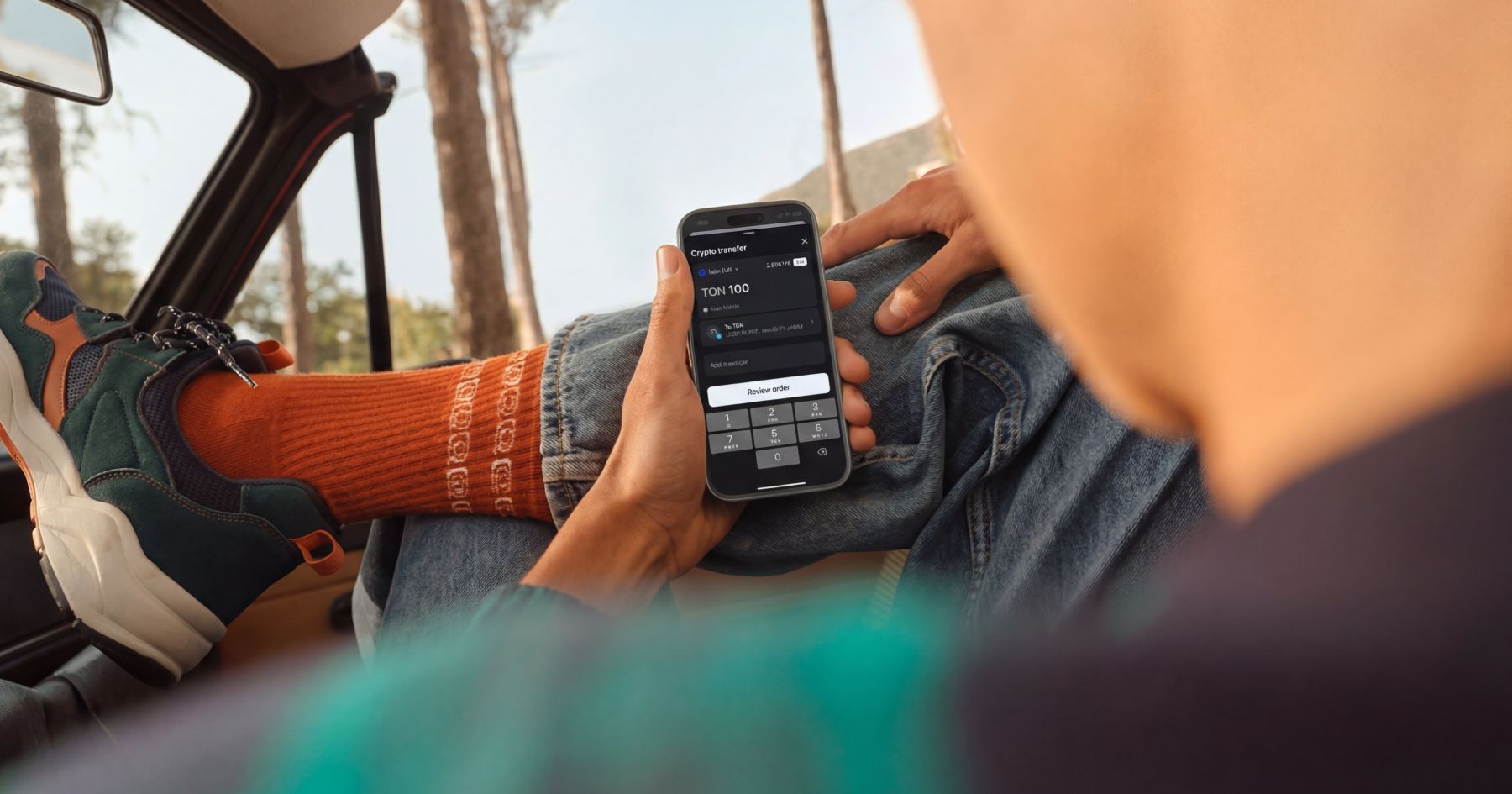
The unassuming workhorse for people who want their crypto to actually do something. No volatile native tokens, no "spend here, save there" gymnastics. Your Brighty Card is linked directly to your unified fiat-crypto account, letting you spend from balances that are already earning up to 10% APY in Vaults. It works with Apple Pay and Google Pay, pulling from EUR, GBP, USD, or your crypto holdings seamlessly at the point of sale, and offers cashback with no card maintenance fees. Best for users tired of choosing between yield and liquidity — for those who want their money to grow and flow.
Coinbase Card
The beginner's choice. This Visa debit card links directly to your Coinbase balance, supports multiple cryptocurrencies, and offers up to 4% back in crypto for Coinbase One members. The interface is simple, funding is easy, and there are no annual fees. The downside is that conversion spreads apply, and rewards are lower than some competitors at the entry level. Best for existing Coinbase users and those new to crypto spending.
Nexo Card
The hybrid innovator. Unique in offering both credit and debit modes, the Nexo Card lets you spend by either using your crypto directly (debit) or borrowing against it as collateral (credit). This means you can access liquidity without triggering a taxable sale. Cashback reaches up to 2% in Credit Mode, and you can earn interest on idle balances. Note that Credit Mode involves borrowing against collateral, with interest and loan-to-value conditions to consider. Best for long-term holders who want spending power without selling.
Wirex Card
Widely available across Europe, the UK, and Australia, Wirex offers cashback up to 8% in its native WXT token, though the base rate is lower and top rates require holding WXT. It supports a wide range of cryptocurrencies and provides multi-currency accounts for both crypto and fiat. Because rewards are tied to WXT, which must be acquired and carries price volatility, factor that into the effective return. Best for EU users seeking multi-currency flexibility who are comfortable with token-based rewards.
Side-by-Side Comparison
| Card | Network | Max cashback | Rewards paid in | Custody | Key condition |
|---|---|---|---|---|---|
| Brighty | Visa/Mastercard | Cashback + up to 10% APY on balances | Fiat/crypto balance | Custodial (regulated) | No native token required |
| COCA | Issued by Wirex | Up to 8% (within allowance, 1% after) | Stablecoins (USDT/USDC/EURC) | Non-custodial | $COCA holding for top tiers |
| Crypto.com | Visa | Up to 5% | CRO token | Custodial | ~$400K CRO stake for top tier |
| OKX | Mastercard | Standard modest; promos higher | Stablecoins (USDG) | Non-custodial | Cap for non-VIP users |
| Coinbase | Visa | Up to 4% | Crypto | Custodial | Coinbase One membership |
| Nexo | Mastercard | Up to 2% | NEXO token or BTC | Custodial | Credit Mode (collateral-based) |
| Wirex | Visa/Mastercard | Up to 8% | WXT token | Custodial | WXT holding for top rates |
Cashback rates, fees, and conditions change frequently. Verify current terms on each provider's official site before applying.
Our Verdict
There's no single "best" crypto card — the right one depends on what you actually want it to do.
If you want rewards that hold their value, a stablecoin-paying card like COCA or a fiat-crypto card like Brighty avoids the volatility that comes with native-token cashback. If you're a committed member of a specific ecosystem and willing to stake, Crypto.com's higher tiers deliver strong perks, but only if you can justify locking up significant capital. If self-custody is your priority, OKX and COCA let you spend without handing over your keys. If you want spending power without selling, Nexo's credit mode is genuinely differentiated.
For most people who simply want their crypto and cash to work together (earning yield while staying liquid, with no native token to manage and no staking gymnastics) the Brighty Card is the most practical all-rounder. It links a unified fiat-crypto account to a card that spends from balances already earning up to 10% APY, which is a fundamentally different proposition from cards that ask you to choose between earning and spending.
The broader shift in 2026: with EU rules like DAC8 now requiring automatic reporting of crypto transactions by intermediaries, card payments are no longer invisible to tax authorities. That makes stablecoin-focused cards like Brighty, COCA, and OKX increasingly attractive, since spending less-volatile assets minimises taxable events. Match your choice to your primary use case (rewards, self-custody, crypto-fiat bridge, or credit flexibility), and you'll land on the right card.
FAQ
What is a crypto card and how does it work?
A crypto card is a debit or credit card linked to your crypto holdings. When you pay, the platform converts your crypto to fiat at the point of sale, so the merchant receives normal currency while you spend from your crypto balance. Most run on Visa or Mastercard, so they work anywhere those networks are accepted.
Do I pay tax when I spend crypto with a card?
In many jurisdictions, yes — converting crypto to fiat (including at the point of sale) can be a taxable event, potentially triggering capital gains. Spending stablecoins like USDC or EURC reduces this friction because their value is pegged and stable. Under the EU's DAC8 rules, crypto card transactions are now automatically reported to tax authorities. Consult a local tax advisor for your situation.
Which crypto card has the highest cashback?
Headline rates reach up to 8% (COCA, Wirex) and even higher during promotions, but these come with conditions: monthly allowances, token holdings, or staking requirements. The effective rate after conditions is often lower than the headline. A stablecoin-paid 3% can be worth more than a volatile-token 8% that loses value.
What's the difference between custodial and non-custodial crypto cards?
Custodial cards (Crypto.com, Coinbase, Nexo) hold your crypto for you — simpler, but you trust the platform. Non-custodial cards (COCA, OKX) let you spend from a wallet you control, giving you ownership of your keys at the cost of more personal responsibility.
Can I earn yield on the balance behind my crypto card?
With some cards, yes. The Brighty Card spends from balances that can earn up to 10% APY in Vaults, so your funds keep earning until the moment you spend. Most traditional crypto cards don't combine spending and yield this way.
Are crypto cards safe to use?
Reputable crypto cards from regulated providers are generally safe. Look for providers regulated under frameworks like MiCA in the EU, with clear custody arrangements and security features like in-app freezing, 3DS for online transactions, and Apple Pay/Google Pay tokenisation.
Which crypto card is best for everyday spending?
For everyday use, a card that minimises fees and tax friction works best — meaning low FX fees and stablecoin or fiat spending. Cards like Brighty (fiat-crypto bridge with yield), COCA (stablecoin cashback), and OKX (self-custody stablecoin spending) fit this profile well.
Want to actually use your crypto in everyday life?
Download Brighty and pay, convert, and manage your funds in one app without juggling multiple services.