Best Solana Wallet EU | Brighty's Top Picks for Storing and Spending SOL
Looking for the best Solana wallets in Europe? Compare secure and user-friendly options for storing, staking, and spending SOL with low fees in 2026.

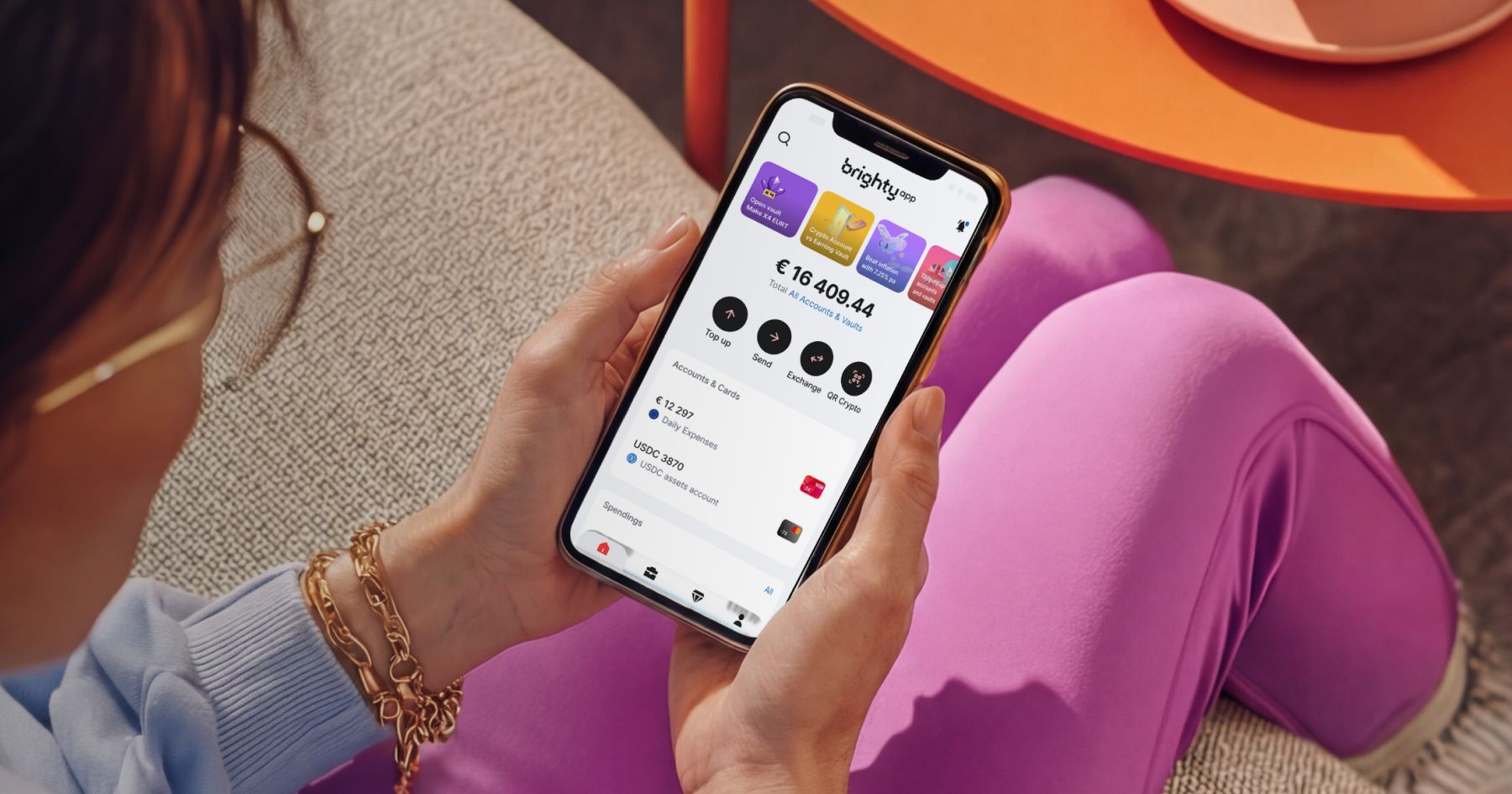
Choosing a Solana wallet in the European Union in 2026 is about how you interact with DeFi, whether you can spend your crypto, and whether your wallet respects the regulatory lines drawn by MiCA. European users face a unique set of requirements: they need wallets that support seamless euro off-ramps, comply with evolving KYC norms, and still offer the self-custody principles that drew them to crypto in the first place.
In this article we will cover the types of the best Solana wallets available, the specific regulatory context European users must navigate, detailed picks for different use cases, a feature comparison framework, and a look at emerging trends that will shape wallet choice through the rest of 2026.
Understanding the Solana Wallet Landscape in 2026
Solana's transaction model is different. Unlike Ethereum Virtual Machine chains where wallets can often get away with basic transaction previews, Solana transactions can bundle multiple instructions into a single flow. This means wallet choice directly impacts your security. A wallet that does not parse these instructions clearly exposes you to blind-signing risks where you approve a transaction without knowing exactly what it does.
The Solana ecosystem in 2026 supports four main wallet categories, each with distinct trade-offs.
Software wallets (hot wallets) are applications that run on your phone, computer, or inside your browser. They keep your private keys on your device and are connected to the internet. Examples include Phantom, Solflare, and OneKey App. These are ideal for daily transactions, DeFi interactions, and NFT management because they are convenient and fast. The security trade-off is that because they are online, they are more exposed to phishing attacks and malware.
Hardware wallets (cold wallets) are physical devices that keep your private keys offline. Ledger, OneKey Pro, and Trezor dominate this space. When you sign a transaction, it happens on the device itself, and the private key never touches your internet-connected computer or phone. These are essential for storing larger amounts of SOL or for users who prioritize long-term security over frequent trading convenience.
Smart wallets represent a newer category. Fuse, built on the Squads Protocol, is Solana's first smart wallet. It replaces seed phrases with multifactor authentication, requiring approval from multiple keys for each transaction. This removes the single point of failure that comes with a lost or stolen seed phrase. Smart wallets also enable features like social recovery and spending limits, which traditional wallets cannot offer.
Exchange wallets are custodial solutions provided by platforms like Gate. Gate Wallet, for example, supports over 100 chains including Solana and lets users manage assets across ecosystems from one interface. While these offer convenience and sometimes integrated trading, they often involve trade-offs in decentralization.
The EU Factor | MiCA, KYC, and Fiat Off-Ramps
European users operate under a different set of rules than the rest of the world, and your wallet choice must reflect that reality.
The Markets in Crypto-Assets Regulation, or MiCA, is not coming. It is here. By July 2026, all Crypto Asset Service Providers operating in the EU must be MiCA-compliant or face penalties and market exclusion. For wallet users, this translates directly into how you move between crypto and fiat currency. The days of completely anonymous on-ramps and off-ramps in Europe are ending. Regulated wallets and integrated services will increasingly require identity verification at the point where crypto touches the traditional banking system.
This makes fiat integration a critical feature for EU users. Recent partnerships illustrate where the market is heading. Noah, a global payments infrastructure provider, has partnered with Jupiter to integrate regulated banking capabilities directly into the Solana ecosystem. This means over 50 million wallet users can now access virtual USD and EUR accounts, enabling salary deposits, international transfers, and direct off-ramps from on-chain assets to local bank accounts. The initial rollout focuses on Asia, but expansion into Europe is expected. When it arrives, it will effectively turn your Solana wallet into a neobank account.
For European users today, this means prioritizing wallets that either have built-in fiat on-ramps or integrate smoothly with regulated exchanges that support SEPA transfers. The ability to move from SOL to euros in your bank account with minimal friction and clear regulatory compliance is becoming a defining feature of a useful wallet in the EU.
Detailed Wallet Picks for EU Users
Based on the current landscape, we gathered the top wallet recommendations for European Solana users, categorized by use case.
For the mainstream user who prioritizes ease of use and ecosystem access, Phantom remains the default choice. It is the most popular wallet in Solana, and for good reason. The interface is clean, intuitive, and deeply integrated with Solana's DeFi and NFT ecosystems. You can stake SOL, manage NFTs, and connect to platforms like Jupiter and Magic Eden without friction. Phantom also supports multi-chain asset display, which helps if you hold assets on other networks. For daily use and moderate holdings, Phantom is sufficient.
For the power user who needs advanced features and deeper analytics, Solflare is the superior option. It is an established wallet backed by the Solana community and offers more detailed staking validator selection, richer on-chain data visualization, and more robust DeFi support. Solflare also supports hardware wallet integration with Ledger and Keystone, allowing you to pair the security of cold storage with the usability of a software interface. With over three million active users and fifteen billion dollars in assets managed, Solflare has a proven track record.
For the user who wants crypto to work like a real bank account, Brighty is the European answer. It is a regulated financial app that gives you a European IBAN and a Visa card linked directly to your crypto balances. You can hold BTC, ETH, or USDC, earn yield on them, and then spend that value instantly anywhere Visa is accepted without manually converting first. The app handles the conversion at the point of sale. Because Brighty is fully licensed and MiCA-compliant, it solves the fiat off-ramp problem entirely. You can move funds via SEPA directly to your bank account with clear fees and no compliance surprises. For the user tired of managing five apps just to pay for groceries with crypto, Brighty is the all-in-one bridge that just works.
For the security-focused holder with significant SOL assets, a hardware wallet is non-negotiable. The OneKey Pro stands out in 2026. It features four EAL 6+ secure elements, a color touchscreen, and SignGuard technology that provides dual transaction parsing both in the app and on the hardware device. This significantly reduces blind-signing risk for complex Solana transactions. It supports over one hundred chains and is fully open source. For long-term storage of large amounts, pairing a hardware wallet with Phantom or Solflare as a front-end gives you both security and usability.
For the multi-chain user who operates across several ecosystems, Gate Wallet offers a compelling all-in-one solution. It supports over one hundred blockchains, including Solana, Ethereum, and BNB Chain, allowing you to manage all your assets from a single interface. It includes built-in DEX aggregation and NFT management, and because it is non-custodial, you retain control of your private keys. This is a strong option if you find yourself constantly switching between wallets to manage different chains.
For the early adopter who wants the latest in wallet technology, Fuse represents the next generation. As Solana's first smart wallet, it replaces seed phrases with multifactor authentication. Each transaction requires approval from two out of three designated keys, eliminating the single point of failure inherent in traditional wallets. It also offers progressive security, spending limits, and gas abstraction where the wallet pays network fees on your behalf. If you are willing to trade some ecosystem maturity for significantly upgraded security architecture, Fuse is worth exploring.
Feature Comparison Framework
When evaluating wallets for European use, consider these specific criteria.
Security architecture matters most. Look for wallets that offer clear signing, meaning they show you exactly what you are approving in human-readable format before you sign. OneKey's SignGuard and Ledger's Clear Signing are examples. Avoid wallets that leave you blind-signing complex Solana instructions.
Transaction parsing capability is critical for Solana specifically. Because Solana transactions can include multiple instructions, your wallet must be able to parse and display each instruction clearly. Wallets originally designed for EVM chains may show limited or confusing previews for Solana transactions.
Fiat integration determines how easily you can move from SOL to euros. Check whether the wallet has built-in on-ramps, partnerships with regulated payment providers, or smooth integration with exchanges that support SEPA. The Noah-Jupiter integration is a sign of where the market is heading.
Multi-chain support matters if your portfolio extends beyond Solana. Brighty, Phantom and Gate Wallet offer cross-chain asset views, letting you see your Ethereum or USDC holdings alongside your SOL without switching applications.
Hardware wallet compatibility is essential if you plan to grow your holdings. Even if you start with a software wallet, choose one that supports hardware wallet pairing so you can upgrade your security later without migrating to a new interface.
Emerging Trends for Late 2026
Several developments will shape the Solana wallet landscape in the coming months.
AI-powered security features are beginning to appear. Wallets are expected to integrate AI-assisted transaction analysis that can flag suspicious patterns before you sign. This moves beyond static blocklists to behavioral analysis of dApps and contracts.
Regulatory consolidation will accelerate. As MiCA's July deadline approaches, expect clearer separation between regulated and unregulated wallet services. Wallets that partner with licensed payment providers will gain advantages in fiat on-ramps and off-ramps, while purely peer-to-peer wallets may face friction at the banking layer.
Smart wallet adoption will grow. Fuse's model of seedless, multifactor wallets addresses the single biggest point of failure in crypto today: the seed phrase. As more users lose funds to seed phrase compromises, expect demand for smart wallets with social recovery options to increase.
Deeper fiat integration is inevitable and the Noah-Jupiter partnership is a forward-looking template. More Solana wallets will integrate regulated settlement infrastructure, effectively becoming neobanks that happen to also be crypto wallets. This turns the wallet from a storage tool into a comprehensive financial application capable of handling salary deposits, bill payments, and international transfers alongside DeFi activities.
The best Solana wallet for a European user in 2026 depends on your specific balance of security needs, activity level, and tolerance for regulatory friction. Brighty and Phantom remain the most friendly on-ramp of choice for most users entering the ecosystem. Solflare offers depth for those who live in DeFi. OneKey Pro provides fortress-like security for significant holdings. Gate Wallet solves for multi-chain complexity. And Fuse points toward a future where seed phrases are obsolete.
Match the wallet to the job, pair software convenience with hardware security where your holdings justify it, and always prioritize wallets that give you clear visibility into what you are signing. In a regulatory environment that is solidifying rather than loosening, choosing a wallet with credible fiat integration and compliance pathways is not surrender. It is pragmatism as it ensures that when you want to turn your on-chain gains into euros for rent or dinner, the door is open and the path is clear.
Crypto freedom is only real when it fits your everyday life. That’s exactly what Brighty App is designed for.