How to Transfer Crypto to a Fiat Wallet: Step-by-Step Guide for 2026

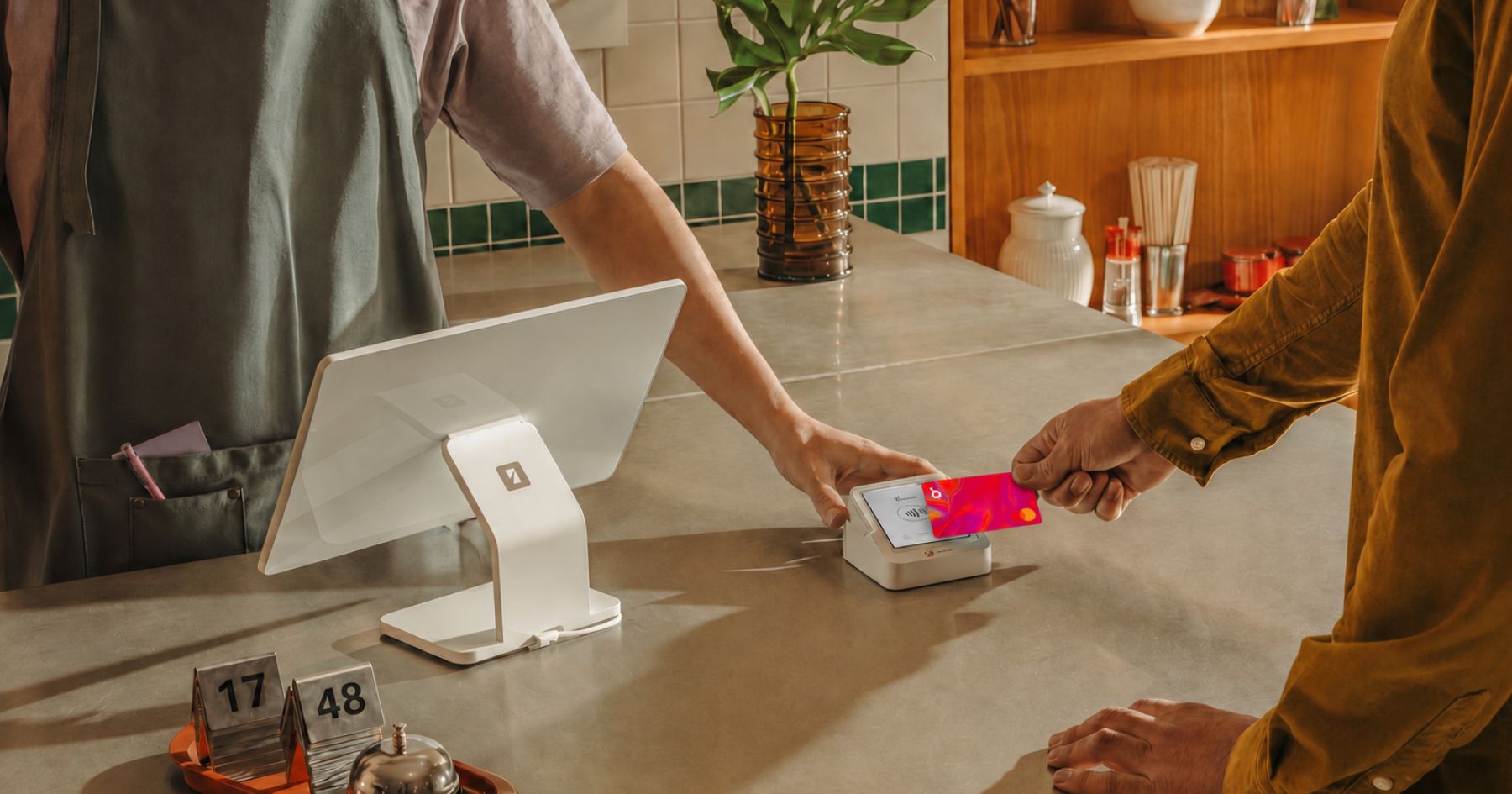
How do you transfer crypto to a fiat wallet?
Choose a platform that supports both crypto and fiat: either a crypto-fiat neobank or a centralized exchange. Send your crypto there, convert it to EUR or USD, and the fiat balance is ready to spend or withdraw. The whole process takes minutes on modern platforms. Below is a full breakdown of how it works, which method suits your situation, and what to watch out for.
Key Takeaways
- A fiat wallet holds traditional currencies (EUR, USD, GBP); a crypto wallet holds digital assets — transferring between them requires a conversion step, not just a send
- The four main off-ramp methods in 2026: crypto-fiat platforms, centralized exchanges, crypto debit cards, and P2P trading
- Fees vary significantly by method: centralized exchange trading fees typically run 0.05–0.6% depending on platform and volume tier, while some in-app conversion spreads can reach up to 4% (DailyCoin, 2026)
- KYC verification is mandatory on every regulated platform — have your ID and proof of address ready before you start
- Brighty converts USDC to EUR or USD directly in-app, with the fiat balance immediately available on your debit card
In This Article
- Crypto wallet vs fiat wallet — what's the difference
- The four methods for transferring crypto to fiat
- Step-by-step: how to do it on Brighty
- Step-by-step: how to do it via a centralized exchange
- Fees compared by method
- What can go wrong — and how to avoid it
- FAQ
Crypto Wallet vs Fiat Wallet — What's the Difference?
A crypto wallet stores digital assets: Bitcoin, Ethereum, USDC, and so on. It doesn't hold euros or dollars; it holds tokens on a blockchain. A fiat wallet holds traditional currency, typically within an app or platform — think the EUR balance in your Brighty or Revolut account.
Transferring crypto to a fiat wallet isn't like sending money between two bank accounts. It involves two distinct steps:
- Moving the crypto asset from wherever it's held to a platform that can convert it
- Converting the crypto into fiat at the current market rate
Some platforms (particularly crypto-fiat neobanks) handle both steps inside the same app, which makes the process feel seamless. On others, you'll need to move funds between wallets manually before converting.
The Four Methods for Transferring Crypto to Fiat
Method 1 — Crypto-fiat platform (recommended for most users) Platforms like Brighty hold both a crypto wallet and a fiat wallet in the same account. You convert USDC to EUR with a single tap — no external transfers, no separate exchange account. The fiat balance is immediately available on your debit card.
- Speed: Near-instant
- Fees: Transparent conversion fee; no forced markup on top
- Best for: Everyday use, freelancers, anyone who regularly moves between crypto and fiat
Method 2 — Centralized exchange (CEX) Send your crypto to an exchange, sell it for fiat, then withdraw the fiat to your bank account via SEPA or SWIFT.
- Speed: Conversion instant; bank withdrawal 0–3 business days
- Fees: 0.5–1.5% trading fee + withdrawal fee + potential bank receiving fee
- Best for: Larger one-time conversions where rate precision matters
Method 3 — Crypto debit card Platforms that issue crypto-linked debit cards (Brighty, Wirex) convert crypto to fiat automatically at the point of sale. You spend crypto; the merchant receives fiat. No manual conversion step needed.
- Speed: Instant at point of sale
- Fees: Conversion spread applied at transaction time
- Best for: Day-to-day spending without needing to actively manage conversions
Method 4 — P2P trading Sell crypto directly to another individual via a P2P platform. The buyer sends fiat to your bank; the platform releases the crypto once confirmed.
- Speed: 15 minutes to several hours depending on payment method
- Fees: Often low (0.1–0.5%) but spreads between buyer/seller rates add hidden cost
- Best for: Users in markets with limited CEX access, or those needing specific local payment methods
Step-by-Step: How to Do It on Brighty
The simplest path for EU-based users — no external transfers required.
- Open your Brighty account. If you don't have one yet, download the app and complete KYC (passport or national ID + proof of address). It takes under 10 minutes.
- Make sure USDC is in your Brighty crypto wallet. If your USDC is on an external wallet (MetaMask, Ledger, another exchange), send it to your Brighty wallet address. Go to the crypto wallet section, select USDC, and copy your deposit address. Confirm the network matches before sending.
- Convert USDC to EUR or USD. Once USDC arrives, tap Exchange. Select USDC as the source and EUR (or USD or GBP) as the target. Brighty shows the real-time rate and fee upfront. Confirm.
- Fiat is now in your Brighty fiat wallet. The EUR balance appears immediately. From here you can spend via your Brighty debit card, send via SEPA, withdraw via SWIFT, or leave idle in the fiat wallet.
That's the full process. No external exchange account needed.
Step-by-Step: How to Do It via a Centralized Exchange
For larger conversions or assets beyond USDC (BTC, ETH, etc.).
- Complete KYC on the exchange. Coinbase, Kraken, and similar platforms require identity verification before allowing fiat withdrawals. Have your passport and proof of address ready — it takes 10–30 minutes.
- Send crypto from your wallet to the exchange. In the exchange's deposit section, find your deposit address for the relevant asset and network. Copy it carefully — an error here means lost funds. Send from your external wallet and wait for confirmations.
- Sell crypto for fiat. Once the deposit is confirmed, navigate to the trading or convert section. A market order executes instantly at the current price. For larger amounts, a limit order lets you target a specific rate.
- Withdraw fiat to your bank. Link your IBAN in the withdrawal section. SEPA withdrawals typically arrive within one business day; SWIFT withdrawals take 1–3 business days. Some exchanges charge a flat withdrawal fee on top of the trading fee.
Fees Compared by Method
| Method | Conversion fee | Withdrawal fee | Speed |
|---|---|---|---|
| Crypto-fiat platform (e.g. Brighty) | Transparent % | Free via SEPA | Instant conversion; SEPA instant |
| Centralized exchange | 0.5–1.5% trading fee | €0–€25 flat fee | 0–3 business days to bank |
| Crypto debit card | Spread at point of sale | N/A | Instant |
| P2P | 0.1–0.5% + buy/sell spread | Varies by payment method | 15 min–several hours |
Sources: DailyCoin, 2026; Bitcompare, 2026
What Can Go Wrong — and How to Avoid It
- Sending to the wrong network. Sending USDC on Ethereum to a Tron address results in permanent loss of funds. Always confirm the network with the receiving platform before sending. If in doubt, send a small test amount first.
- Conversion rate fluctuations. For stablecoins (USDC), rate movement is negligible — the peg holds near 1:1. For BTC or ETH, consider limit orders on an exchange for large conversions.
- KYC holds. First-time large withdrawals often trigger compliance reviews on centralized exchanges, delaying access to fiat by 24–72 hours. Having documents verified in advance reduces the chance of a hold.
- Hidden spreads. Some neobanks embed a 2–4% spread in the conversion rate without showing it as a fee (Daily Coin, 2026). Always compare the rate offered to the mid-market rate before confirming a large conversion.
- Withdrawal limits. Most platforms impose daily or monthly fiat withdrawal limits. Verify your account's withdrawal tier before attempting a large conversion — you may need enhanced KYC to unlock higher limits.
FAQ
Can I transfer crypto directly to a bank account?
Not directly. Crypto and bank accounts operate on different systems. You need an intermediary — a platform that holds both a crypto wallet and fiat account — to perform the conversion step. Once converted to fiat, the balance can be withdrawn to any bank account via SEPA or SWIFT.
How long does it take to convert crypto to fiat?
The conversion itself is near-instant on most platforms. The time to access the fiat depends on the withdrawal method: SEPA Instant is seconds; standard SEPA is next business day; SWIFT is 1–3 business days.
What's the cheapest way to convert USDC to EUR?
Using a platform that holds both in the same account — like Brighty — avoids exchange trading fees and bank withdrawal fees. The only cost is the conversion spread. Compare this to using a CEX, where you'd pay a trading fee plus a withdrawal fee before the money reaches your bank.
Do I need to convert crypto to fiat before spending it?
Not always. Platforms that issue crypto debit cards (Brighty, Wirex) convert automatically at point of sale. You spend crypto; the merchant receives fiat. No manual conversion step required for everyday purchases.
Is converting crypto to fiat taxable?
In most EU countries, yes — converting crypto to fiat is a disposal event and may trigger capital gains tax on any profit since acquisition. Stablecoin conversions (e.g. USDC → EUR) may also technically be taxable events even if the value hasn't changed. Consult a local tax advisor and keep detailed transaction records.
What if my conversion is stuck or my funds don't arrive?
For platform-internal conversions, contact support with your transaction ID. For exchange withdrawals, request the SEPA reference or SWIFT UETR number from the exchange — this lets you or your receiving bank trace exactly where the payment is.
Download Brighty and convert USDC to EUR or USD directly in-app — no exchange account needed