Where to Create a Crypto Wallet | The 2026 Primer on Choosing Your Digital Gateway
Not sure where to create a crypto wallet? Discover the best platforms in 2026, compare security, usability, and features to choose your ideal solution.

You have decided to buy crypto. Maybe you want to trade, maybe you want to stake, or maybe you just want to hold and hope. The first question that stops every newcomer is simple: where do I actually create this thing? The answer in 2026 is more nuanced than it was five years ago because the options have multiplied and specialized. Choose wrong, and you might pay too much in fees, lose access to your preferred blockchain, or worse, expose your funds to risks you did not even know existed.
Here is the short answer. You can create a crypto wallet on a centralized exchange like Bitget or Coinbase for simplicity and instant trading access. You can download a software wallet like MetaMask, Trust Wallet, or Phantom for self-custody and dApp interaction. Or you can buy a hardware device like Ledger or Trezor for maximum security on long-term holdings. The right choice depends entirely on what you plan to do with your crypto after you create the wallet.
Let us break down exactly where to go based on your needs
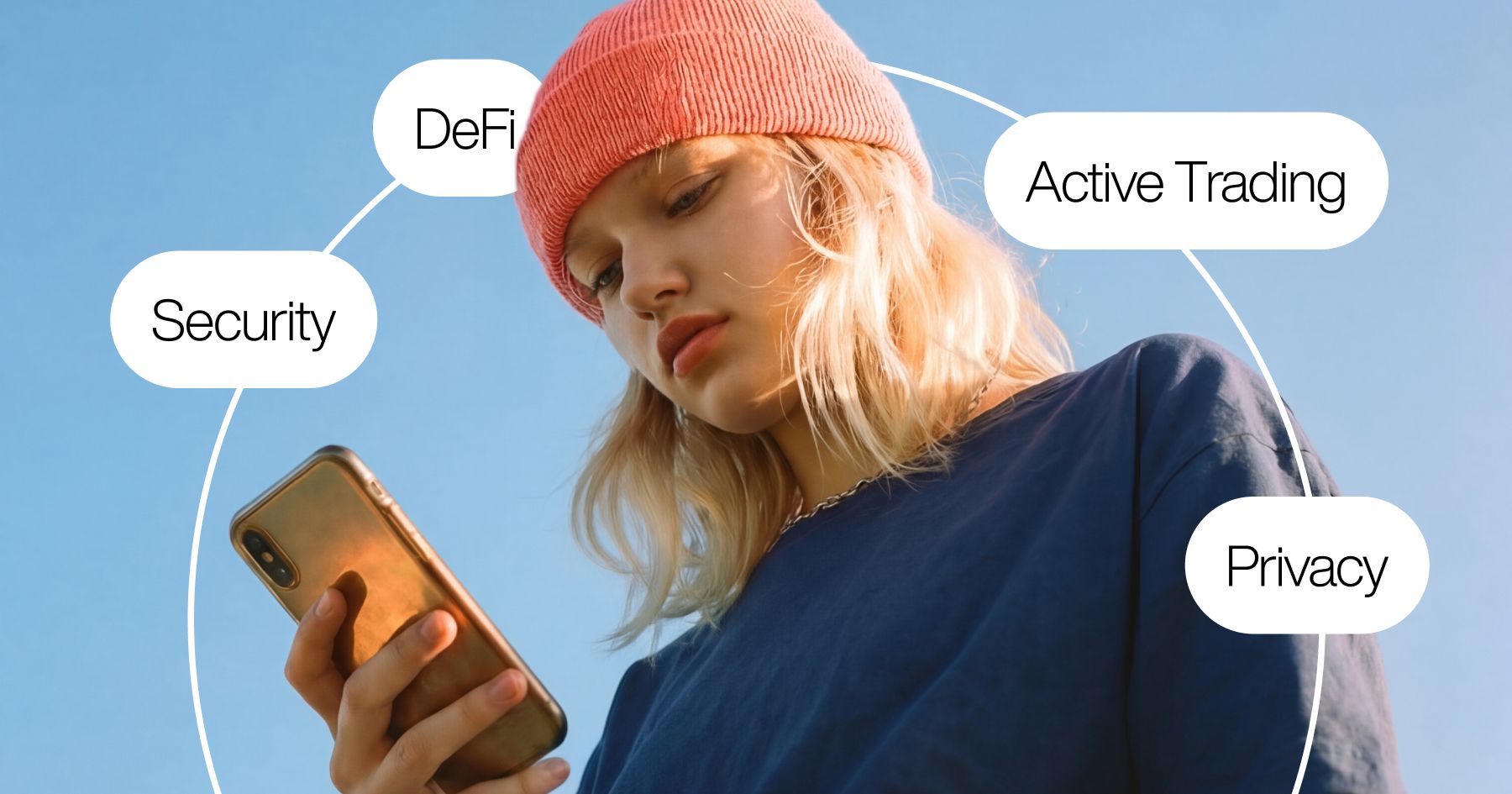
Active trading
If you want the easiest on-ramp and plan to trade actively, create your wallet on a regulated exchange. Platforms like Bitget, Coinbase, and Kraken offer custodial wallets as part of their registration process. You sign up with email, complete KYC verification by uploading your ID, and within minutes you have a wallet address ready to receive funds.
The critical advantage is simplicity: the exchange handles the technical complexity, offers customer support if something goes wrong, and provides built-in trading features. The trade-off is that you do not control the private keys, the exchange controls them. For amounts you plan to trade actively, this is acceptable. For long-term savings, it introduces counterparty risk.
DeFi
If you want full control and access to DeFi, create a software wallet directly from the provider's official website or app store. MetaMask remains the industry standard for Ethereum and EVM-compatible chains, with millions of users and deep dApp integration. Brighty App introduces you to crypto that earns while you spend. It combines DeFi yields of up to 10% APY on USDC with standard bank features: yes, on top crypto layer you get your personal IBAN for EUR, GBP, and USD transfers. Trust Wallet offers mobile-first convenience with support for over one hundred blockchains and two hundred million users worldwide. For Solana users, Phantom delivers the fastest experience with built-in swaps and NFT support. The setup process is consistent across all of them: download from the official source, create a strong password, and carefully record your twelve or twenty-four word seed phrase on paper. No KYC is required for the wallet itself, though you will need it later when you convert fiat to crypto through integrated on-ramps.
Security
If you are holding amounts you would feel upset losing, create a wallet on a hardware device. Ledger Nano X and Trezor Model T are the market leaders, storing private keys offline in secure elements that never touch the internet. You purchase the device directly from the manufacturer, install companion software, and generate your seed phrase on the device screen where no computer can intercept it. Hardware wallets integrate with software interfaces like Ledger Live or MetaMask, giving you the security of cold storage with the usability of a hot wallet for transactions. For long-term holders, this is non-negotiable.
Privacy
If you want the latest security technology without managing a seed phrase, explore wallets using Multi-Party Computation. Zengo pioneered this approach, splitting your private key into mathematical shares that never exist in one place. Recovery uses three-factor authentication instead of a vulnerable seed phrase, and the wallet has maintained a perfect security record since launch. This is ideal for users who understand the risks of seed phrase mismanagement and want institutional-grade protection in a consumer product.
Here is the step-by-step that applies regardless of where you create your wallet
Always download from official sources only. Fake wallet apps in app stores and malicious browser extensions remain a primary attack vector in 2026. When you create a self-custody wallet, record your seed phrase on paper or metal, store it in a secure physical location, and never enter it into any website or app other than your wallet software during recovery. Then enable two-factor authentication using an authenticator app, not SMS, wherever the platform supports it. And always, always start with small test transactions before moving significant amounts.
The landscape in 2026 offers more choice than ever, but that choice comes with responsibility. Exchange wallets for convenience and trading purposes. Software wallets for control and ecosystem access. Hardware wallets for security and peace of mind.
In short, match the wallet type to your use case, follow security fundamentals, and you will have created a reliable gateway to everything crypto has to offer.
You don’t need more tools — you need the right setup. Brighty App helps simplify how you manage, spend, and move your crypto every day.